
Modern funeral home technology is not about replacing the human element of care; it’s about supporting it. The right tools handle the immense administrative weight of funeral service, from first calls and arrangement conferences to aftercare and accounting. By centralizing information and automating repetitive tasks, technology frees your team to focus their time and energy where it matters most: on the families you serve.
From Paper Files to Centralized Digital Case Management
For generations, the core of a funeral home's operations was the physical case file—a manila folder filled with handwritten notes, forms, and documents. While familiar, this system is fraught with challenges. A single misplaced folder can bring work to a halt. Information stored in one director's notebook is unavailable to the rest of the team. Transferring details from first call notes to contracts to death certificates creates endless opportunities for error, causing distress for families and potential liability for the firm.
Modern funeral home technology replaces these disconnected paper systems with a central, digital case management hub. This is more than just a digital filing cabinet; it is a single source of truth for every case. From the moment a first call is received, every piece of information is entered once and then flows through the entire system. The decedent's vital statistics, family contact information, service preferences, and merchandise selections are all stored in one secure, accessible place.
This shift fundamentally changes daily workflows. An arranger in a conference can see the notes a colleague took during the removal. The office manager can generate invoices without hunting down the director for contract details. A director on call can access case information from home or on the road, providing families with accurate answers at any time. This immediate access to complete, consistent information reduces the risk of costly administrative errors and ensures the entire team is working from the same page. It transforms the chaotic paper chase into a calm, organized process, which is a core benefit of adopting effective digital case management.
Streamlining the Arrangement Conference
The arrangement conference is the heart of funeral service, a time for listening, guiding, and helping a family make critical decisions during a period of intense grief. Yet, these meetings are also dense with administrative requirements. Directors must capture vital statistics, explain options, record choices, and ensure all necessary authorizations are signed—all while maintaining a compassionate presence. Juggling a clipboard, a checklist, and a conversation can distract from the human connection.
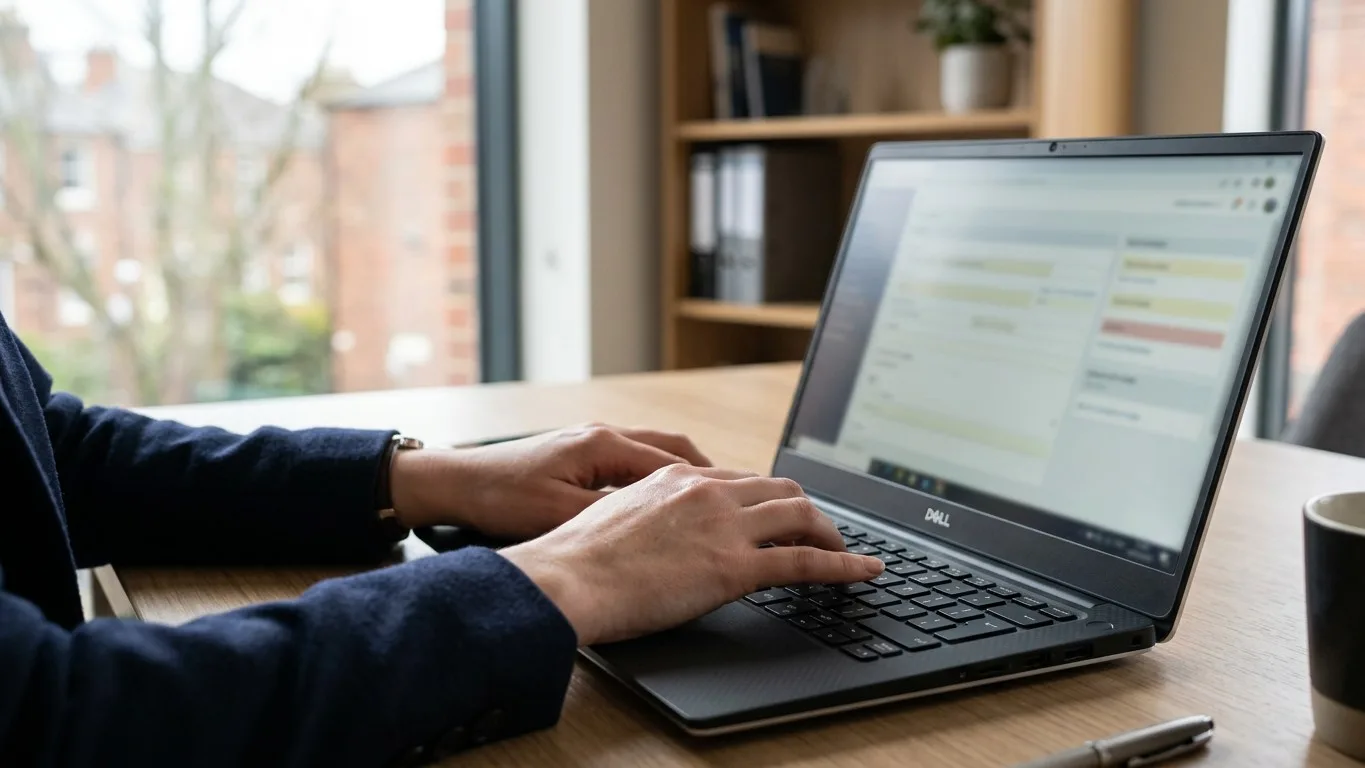
Technology can bring calm and focus back to the arrangement room. Instead of frantically taking notes, a director can use software to guide the conversation. A well-designed system presents information logically, ensuring no detail is missed. As the family makes decisions about the service, casket, or urn, the director can select these items within the case file, automatically updating the contract and inventory.
Some modern platforms, like Kindred, include built-in AI tools designed specifically for this environment. With the family's permission, the system can record the audio of the arrangement conference. The AI then generates a transcript and a summary of the conversation, capturing key decisions and action items. This allows the director to be fully present with the family, listening actively instead of writing constantly. Later, they can review the AI-generated notes to confirm details, ensuring perfect accuracy without sacrificing the human connection during the meeting itself.
Furthermore, technology can help visualize options for families. Instead of flipping through a physical catalog, a director can show high-quality images of caskets, urns, and memorial stationery on a large screen. This makes it easier for families to understand their choices and feel confident in their decisions. The goal is not to automate the conversation, but to remove the mechanical burdens that get in the way of it.
Automating Paperwork and Ensuring Compliance
The administrative burden of funeral service is immense, involving a mountain of contracts, authorizations, and government forms. Each document requires information that often already exists elsewhere. Manually transcribing details from one form to another is not only time-consuming but also a primary source of errors. A single typo in a name or date on a death certificate or cremation authorization can cause significant delays and family distress.
Funeral home technology directly addresses this by automating document generation. Once case information is entered into the system, it can be used to pre-fill any required form. With a few clicks, a director can generate a complete Statement of Funeral Goods and Services, a cremation authorization, or a state-specific burial permit, all populated with accurate data from the central case file. This eliminates the need for the hidden costs of duplicate data entry and dramatically reduces the chance of transcription errors.
This automation also extends to signatures. Modern systems incorporate e-signature capabilities, allowing families to review and sign documents remotely from their own homes. This is a profound shift in convenience and care, especially for family members who may live out of state or have difficulty traveling. Instead of requiring someone to print, sign, scan, and email a form, the funeral home can send a secure link. The family member can sign on their computer or phone, and the completed document is automatically saved back to the case file.
For compliance, this is a major step forward. Digital systems create a clear, auditable trail. Every document is version-controlled and stored securely. Checklists can be built into the workflow, ensuring that no required form is missed before a cremation or burial proceeds. Because regulations vary by state and province, it is always essential to confirm local requirements, but a good software system provides the framework to manage that compliance consistently.
Improving Communication with Families and Staff
Clear, timely communication is the bedrock of trust in funeral service. Families need to know what is happening and what to expect next. Staff members need to be perfectly coordinated to ensure every service is flawless. Traditional methods like phone calls, emails, and whiteboards are often inefficient and can lead to miscommunication.
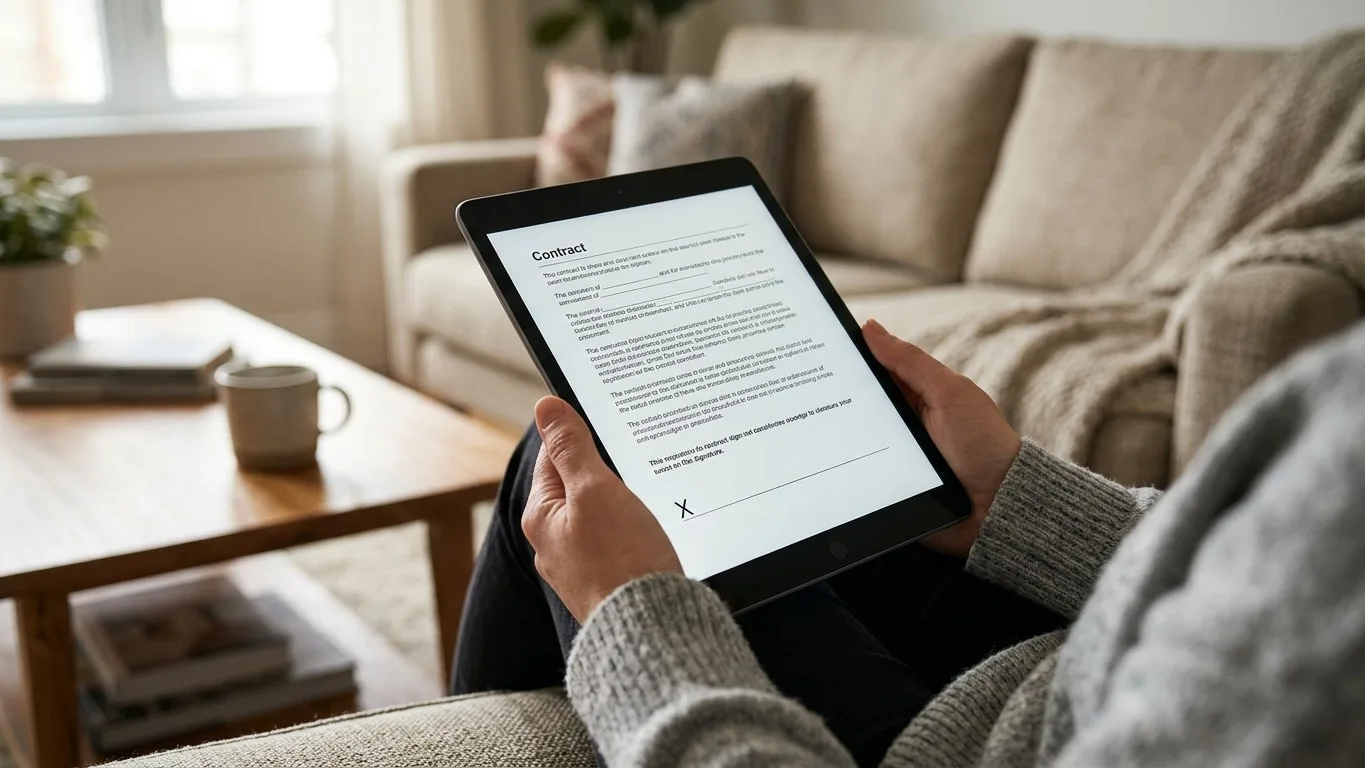
Technology creates new, more efficient channels for communication. A key innovation is the family portal—a secure, private website where a family can log in to interact with the funeral home. Through this portal, they can complete biographical information for the obituary, upload photos for a memorial video, review and sign documents, and see updates from the funeral director. This empowers families to contribute when it's convenient for them, reducing the need for back-and-forth phone calls and giving them a sense of control.
Internally, a centralized digital system keeps the entire team synchronized. Instead of relying on a whiteboard in the prep room, staff can view a master schedule of services, visitations, and vehicle assignments from any computer or mobile device. When a director updates a service time, everyone on the team sees the change instantly. Task lists and checklists assigned to specific staff members ensure that every detail, from ordering flowers to preparing the chapel, is accounted for. This real-time visibility prevents tasks from falling through the cracks, which is especially critical when managing multiple funeral services at once.
This level of coordination is not just about efficiency; it's about professionalism and care. When the entire team operates from a single source of information, services run more smoothly, and families experience a seamless, supportive process. The result is a calmer, more organized environment for both staff and the families they serve.
Making Financial Management More Accurate
Managing the financial side of a funeral home is complex. It involves creating detailed contracts, tracking payments from families and insurance companies, managing accounts payable to vendors, and maintaining an accurate general ledger. When these tasks are handled with spreadsheets or generic accounting software, it often creates a disconnect between case management and financial records, leading to manual data entry and potential errors.
Modern funeral home management software integrates financial management directly into the case workflow. When a family selects goods and services during the arrangement conference, the system automatically builds the Statement of Funeral Goods and Services. This ensures that every item is priced correctly according to the firm's general price list and that the contract is accurate from the start.
Payment processing is also streamlined. With integrated digital payment options, families can pay by credit card or ACH transfer, either in person or through the online family portal. These payments are automatically recorded against the case, reducing the administrative work of tracking checks and reconciling accounts. This not only improves cash flow but also offers a level of convenience that many families now expect.
For accounting, a specialized system provides a chart of accounts designed for funeral homes. It understands the unique nature of funeral service revenue and expenses. Many systems also integrate with standard accounting software like QuickBooks. This allows case-level financial data to sync automatically with the firm's main accounting system, eliminating the need for the bookkeeper to re-enter every invoice and payment. This integration ensures that financial reports are accurate and up-to-date, giving owners a clear view of the firm's financial health without hours of manual reconciliation.
The Rise of AI in Practical Applications
The term Artificial Intelligence can sound futuristic and impersonal, but in modern funeral homes, its application is practical and focused on reducing administrative work. The goal of AI in funeral service is not to replace the judgment or compassion of a funeral director. Instead, it serves as a powerful assistant, handling repetitive, time-consuming tasks so professionals can dedicate their attention to families.
One of the most valuable applications is in drafting obituaries. Writing an obituary is a deeply personal process, and many families struggle to find the right words. AI tools can help by taking the biographical information entered into the case file—dates, family members, career highlights, hobbies—and generating a well-structured draft. This draft serves as a starting point that the family and director can then refine and personalize. It eases the initial burden of writing, transforming a blank page into a collaborative editing process.
AI is also changing how memorial media is created. Tools within funeral home software can assist in designing memorial cards, service programs, and even memorial videos. For example, AI can help enhance low-resolution photos provided by the family, suggest layouts for a program, or draft text for a thank-you card. These features save significant time for staff, who would otherwise spend hours on graphic design tasks, and ensure a high-quality, professional result for the family.
As mentioned earlier, AI can transcribe and summarize arrangement conferences, but its utility extends to other areas. Some systems can read handwritten notes from a first call sheet and suggest fields to populate in the digital case file, reducing data entry time. These are not autonomous actions; a staff member always reviews and confirms every AI suggestion. This human oversight is critical. AI is a tool to be wielded by a skilled professional, one that makes their work more efficient without diminishing their essential role.
Conclusion
Adopting new funeral home technology is not about abandoning tradition. It is about equipping your team with tools that allow them to perform their best work. By moving from disconnected paper systems to a centralized digital platform, funeral homes can reduce administrative errors, streamline complex workflows, and improve communication. This shift doesn't diminish the human touch—it creates more time and mental space for it, allowing directors and staff to be more present, compassionate, and supportive for the families who depend on them.
Kindred was built by funeral directors to solve these exact challenges. If you're looking for a calmer, more organized way to manage your firm's operations, we invite you to book a demonstration and see how our platform can support your team.