
When a family wants to plan a celebration of life, they are asking for more than a less formal funeral; they are asking for a way to make the service feel as unique as the person they lost. Offering specific, creative celebration of life ideas helps you guide them beyond a simple choice of songs and photos toward creating an event that truly reflects a unique personality and spirit. This guide provides practical, detailed suggestions you can share with families to help them design a deeply personal and memorable farewell.
Rethinking the Foundation of the Service
True personalization often starts by reconsidering the basic structure of a memorial service. Before diving into smaller details, encourage families to think about the three core pillars of the event: the when, the where, and the who. Changing one of these elements can transform the entire feeling of the day and open up new possibilities for honoring their loved one.
The Venue: Choosing a Meaningful Space
The location of a celebration of life sets the tone. While your funeral home offers a place of comfort and convenience, some families may find that a different setting better captures the essence of the person. Suggest they think about places that were important to their loved one.
Examples of alternative venues include:
- A favorite park or botanical garden: Ideal for someone who loved nature, gardening, or spending time outdoors. An open-air setting can feel less restrictive and more hopeful.
- An art gallery or museum: A fitting choice for an artist, a collector, or anyone who appreciated culture and beauty. The surrounding art provides a sophisticated and reflective backdrop.
- A local brewery, winery, or favorite restaurant: Perfect for a social person who loved good food and conversation. Sharing a meal or raising a glass in a familiar, cheerful place can feel like a natural way to remember.
- A community hall or event space: A blank canvas that offers maximum flexibility for decoration, catering, and activities. This is a great option for larger crowds or when the family wants to incorporate many different personalized elements.
- The family home or backyard: For some, the most comfortable and intimate setting is their own home. A backyard gathering can feel personal and relaxed, allowing guests to share memories in a familiar environment.
When discussing off-site venues, be prepared to talk through the logistics. This includes coordinating with the venue, arranging for any necessary equipment like sound systems or seating, and understanding any restrictions on catering or decor.
The Timing: Decoupling the Service from the Disposition
A celebration of life does not need to happen immediately after the death. Holding the event weeks or even months later can relieve pressure on the family, allow for more thoughtful planning, and make it possible for out-of-town guests to attend. A delayed timeline transforms the event from a raw expression of grief into a more reflective and intentional celebration of a life well-lived.
This approach also allows for options that depend on the season, such as an outdoor gathering in the summer for someone who passed away in the winter. It gives the family time and space to process the initial shock of their loss, enabling them to participate more fully in the celebration itself.
The Storytelling: Moving Beyond the Traditional Eulogy
Reframe the concept of a eulogy as a time for collective storytelling. While one or two designated speakers can provide a central narrative, creating opportunities for more voices to be heard makes the tribute richer and more complete. Encourage families to invite several people who knew the deceased from different walks of life—a childhood friend, a colleague, a neighbor, a grandchild—to share a short memory. This creates a multi-faceted portrait of the person.
Another approach is an “open mic” session, but with structure. Provide a sign-up sheet and a time limit (e.g., two minutes per person) to keep the service flowing. You can also provide prompts to guide guests, such as asking them to share “a favorite memory,” “a lesson you learned from them,” or “a single word that describes them.” This makes sharing feel more accessible and less intimidating than delivering a formal speech.
Engaging the Senses to Evoke Memory
Our memories are deeply tied to our senses. A familiar scent, a favorite song, or the taste of a specific food can transport us back in time. Incorporating these sensory details into a celebration of life is a powerful way to create an immersive and emotionally resonant experience for guests.
The Sound of Their Life
Music is often a central part of a service, but personalization goes beyond a simple playlist of favorite songs. Consider live music that reflects the person's tastes. Was he a fan of classic rock? A local cover band could play a set of his favorite tunes. Did she love classical music? A string quartet or a solo cellist can add a touch of elegance. For a folk music lover, a guitarist playing familiar melodies can create a warm and intimate atmosphere.
Think about other sounds, too. If the person was an avid birdwatcher, playing recordings of birdsong in the background can be a subtle and beautiful tribute. If they loved the ocean, the sound of gentle waves can create a calming ambiance. The goal is to create an auditory environment that feels authentic to the person being remembered.
A Visual Journey
Visuals help tell the story of a life. Go beyond a single photo board and create a “gallery walk” with images from different eras of the person’s life, grouped by theme: childhood, family, career, travel, hobbies. This allows guests to move through the space and experience the person’s journey.
Displaying personal objects is another powerful technique. Set up tables with items that represent their passions and personality:
- For a gardener: Their favorite tools, a collection of seed packets, and pots of their favorite flowers.
- For a woodworker: A display of their handcrafted items, from small carvings to a piece of furniture.
- For a writer: Their favorite books, a collection of their journals, or their typewriter.
- For a fashion lover: A display of their favorite scarves, hats, or a signature piece of jewelry.
These tangible items make the person’s presence felt in a way that photos alone cannot. They are conversation starters and provide a physical connection to the memories being shared.
The Taste of Remembrance
Food and drink are fundamental to how we celebrate and connect with one another. Structuring the menu around the person’s favorite foods is a simple yet profound way to personalize a reception. Did they have a famous chili recipe? Serve it. Were they known for their love of a particular type of cookie? Have a platter of them available. You could even create a signature cocktail or mocktail in their honor.
A potluck can be a wonderful, collaborative option. Ask guests to bring a dish that reminds them of the person, along with a small card explaining the connection. This not only creates a diverse and meaningful menu but also turns the meal into an act of collective remembrance. Sharing these stories and recipes can be a comforting and joyful experience for the family and guests.
Interactive Elements that Invite Participation
A celebration of life is most powerful when guests feel like active participants rather than passive observers. Interactive elements encourage people to share, connect, and contribute to the act of remembrance in a tangible way. This transforms the event from a presentation into a shared experience.
Memory Stations
Set up one or more “memory stations” where guests can engage in a simple activity. The most common is a memory jar, where guests write a favorite memory on a small card and place it in a decorative jar for the family to read later. This is a low-pressure way for everyone to contribute, and it provides the family with a collection of precious memories to cherish.
Variations on this idea include:
- A Memory Tree: Guests write their memories on tags and hang them on the branches of a small tree or a large branch arrangement.
- A Memory Map: On a large map of the world or country, guests can place a pin on a location that holds a special memory with the person and write a brief note about it.
- A Shared Playlist: Provide a QR code linked to a collaborative playlist (like on Spotify) where guests can add a song that reminds them of the person. This playlist can be played during the reception and shared with the family afterward.
Activity-Based Tributes
If the person had a distinct hobby or passion, create an activity station centered around it. This is a wonderful way to honor their unique spirit and get guests interacting in a fun, hands-on way.
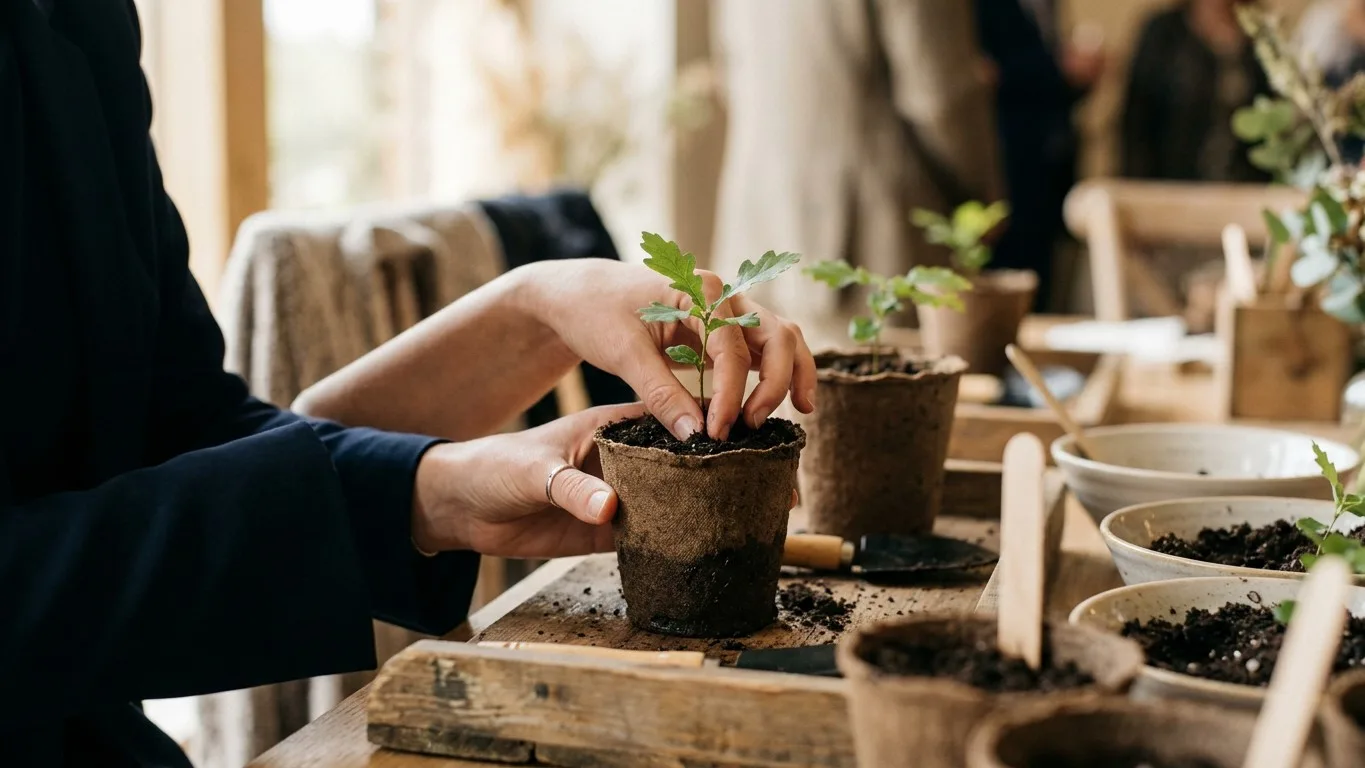
- For a Gardener: A station with small pots, soil, and packets of their favorite flower or vegetable seeds. Guests can plant a seed to take home and nurture in their own garden.
- For an Artist: A table with canvases, paints, and brushes where guests can contribute to a collaborative painting or each paint a small square to be assembled into a larger mosaic.
- For a Book Lover: A book exchange where guests can bring a copy of their favorite book to swap with others, or a station to write down a book recommendation in a journal for the family.
These activities create new, positive memories associated with the person and provide a focal point for conversation among guests who may not know each other.
A Toast and a Promise
Instead of formal eulogies, consider a more informal “toast and share” moment. Invite guests to raise a glass and share a single word, a short phrase, or a one-sentence memory. This is quick, inclusive, and less daunting than a long speech. It creates a beautiful chorus of voices and memories.
Another powerful idea is to invite guests to make a promise or a commitment in the person’s honor. This could be done by writing on a “promise board” or on individual cards. For example, in honor of someone who was a dedicated volunteer, guests could pledge to volunteer an hour of their time. For an adventurer, they might promise to visit a new place. This turns grief into positive action and extends the person's legacy into the world.
Meaningful Takeaways for Guests
Sending guests home with a small, thoughtful token of remembrance allows the spirit of the celebration to continue long after the event has ended. The best favors are not just generic items but are directly connected to the person's life and passions. The goal is to provide something that will trigger a fond memory in the weeks and months to come.
Personalized Keepsakes
Think beyond standard prayer cards. A meaningful keepsake should reflect a unique aspect of the person's personality or interests.
- Seed Packets: Custom-printed packets of the person’s favorite flower seeds (like sunflowers for a cheerful person or forget-me-nots for a classic tribute).
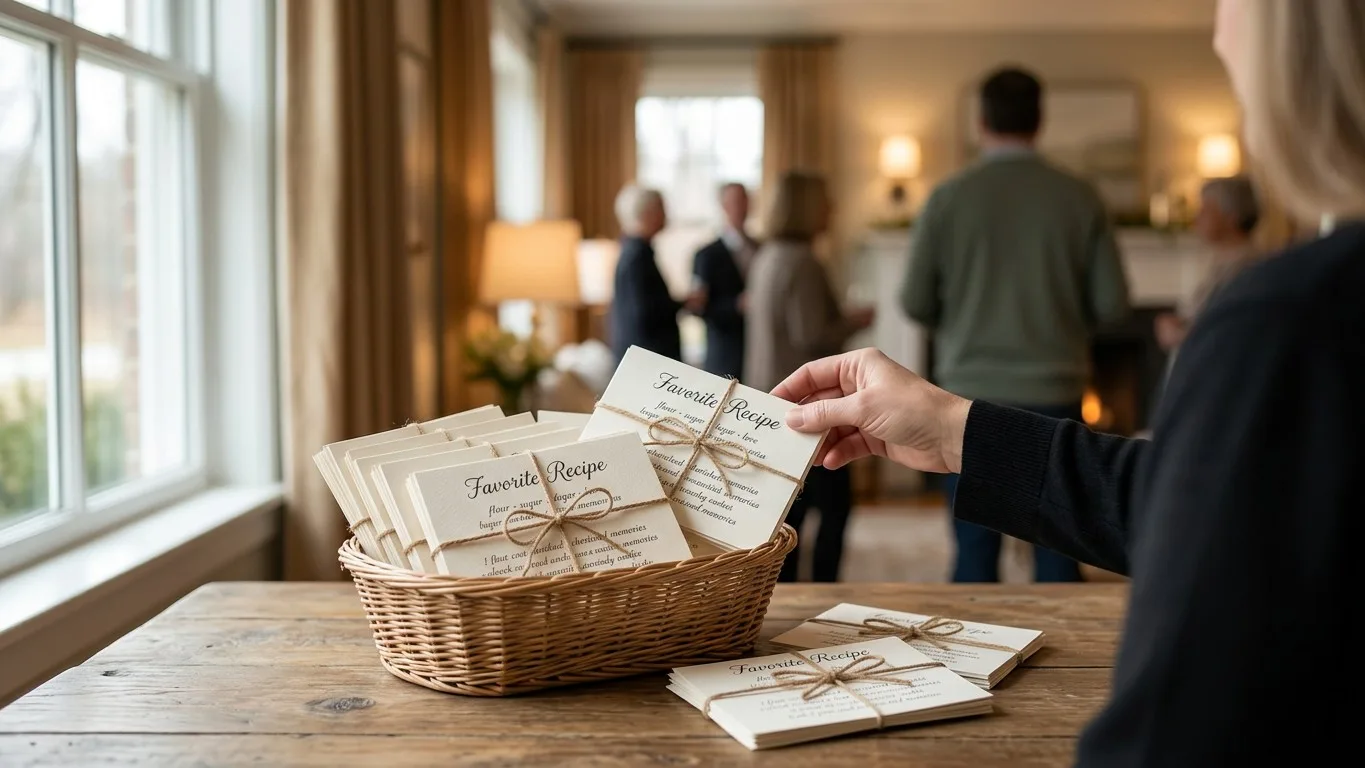
- Recipe Cards: A professionally printed card with the recipe for their famous lasagna, chocolate chip cookies, or special cocktail.
- Bookmarks: A custom bookmark featuring their favorite quote, a small photo, and perhaps a list of their must-read books.
- Small Objects: For a golf enthusiast, a personalized golf ball or tee. For a music lover, a guitar pick with their initials. For someone who loved to cook, a small wooden spoon or a jar of their favorite spice blend.
These small, tangible items serve as a physical reminder of the person and the beautiful day spent celebrating their life.
Digital Memorials
In addition to physical keepsakes, digital memorials offer a lasting and easily shareable way to remember someone. A beautifully produced memorial video, for example, can be a cornerstone of the service and a cherished digital favor for guests. With Kindred's memorial video tools, you can help families compile photos and video clips into a professional-quality tribute. Families can even contribute photos directly through their secure portal, making it a collaborative process. The final video can be shared via a link on the online obituary, allowing guests to watch it again and share it with those who couldn't attend.
Similarly, a digital memory book can compile the stories, photos, and messages shared during the celebration into one online space. This can include photos from the event, scans of the memory cards, and links to the shared playlist, creating a comprehensive and enduring tribute.
Bringing It All Together
As a funeral professional, your role is to be a source of creative and practical guidance. By presenting families with a range of unique celebration of life ideas, you empower them to move beyond traditional templates and create a farewell that is authentic, healing, and deeply personal. The key is to listen carefully to their stories and help them identify the themes, passions, and small details that defined their loved one’s life.
By organizing these elements—from the venue and the food to the interactive stations and the keepsakes—you help families construct a meaningful experience. This thoughtful approach to service planning not only provides immense comfort to the grieving but also reinforces your firm’s reputation for compassionate, personalized care in an era where families increasingly seek it. To see how Kindred’s software helps you manage the countless details behind every personalized service, from case management to building memorial videos, we invite you to book a demonstration.