A complete funeral director checklist is the foundation of compassionate and professional service. It ensures that every detail is managed with precision and care, from the moment the phone rings to the final disposition and aftercare. This guide provides a comprehensive framework for your funeral home's workflow, helping your team serve every family with consistency and dignity.
The First Call: The Foundation of Service
The first call sets the tone for the family’s entire experience with your funeral home. It is the moment when a voice on the other end of the line, often filled with grief and uncertainty, reaches out for guidance. Your response must be immediate, empathetic, and professional, establishing trust from the very beginning. The primary goal is to gather essential information while conveying calm competence.
Key information to collect includes:
- The name and location of the deceased.
- The name, relationship, and contact information of the person calling.
- The location of the legal next-of-kin, if different from the caller.
- The name of the attending physician or medical examiner who will sign the death certificate.
- Basic details about the circumstances of the death (e.g., at home, in a hospital, under hospice care).
This initial intake is more than a data-entry task; it is the first act of care. The person on duty must be trained to listen patiently, answer initial questions clearly, and assure the family that their loved one will be treated with respect. It is also the first point where critical logistical and legal steps begin. Confirm who has the authority to authorize the removal and be clear about the expected timeline. Every detail captured here forms the basis of the case file, preventing the family from having to repeat painful information later.
The Removal and Initial Care
Bringing the deceased into your care is a solemn responsibility that requires professionalism and reverence. Whether the removal occurs at a residence, hospital, or care facility, your team represents the funeral home at a moment of profound vulnerability for the family. A consistent, documented procedure ensures that this process is handled with the utmost dignity every time.
Upon arrival, your team should quietly and respectfully introduce themselves, confirm their purpose, and work efficiently. This is not a time for extensive conversation unless the family initiates it. The focus is on the dignified and gentle transfer of the deceased. This stage involves its own critical checklist, including verifying the identity of the deceased and placing an identification band that will remain throughout their time in your care. This begins an unbroken chain of custody, a critical component of your funeral home’s standard of care.
Documentation is paramount. A removal form should be completed, noting the time, location, condition, and any personal effects present with the deceased. This information becomes part of the permanent case record. A clear, standardized process for removals, understood and practiced by all staff, protects both the family and the funeral home, ensuring that the first physical interaction with the deceased honors the life that was lived.
The Arrangement Conference: Guiding the Family
The arrangement conference is the heart of the funeral planning process. It is where a family, guided by a director, makes the critical decisions that will honor their loved one. Creating a calm, unhurried environment is essential. The director’s role is not to sell, but to listen, educate, and gently guide the family toward choices that feel right for them.

This meeting is a detailed and often lengthy conversation. The first step is gathering the vital statistics necessary for legal documents, such as the death certificate, and for crafting the obituary. This process can be an opportunity for the family to share stories and memories, transforming a data-gathering exercise into a therapeutic one. A patient director allows space for this to happen naturally.
Next, the director must clearly and compassionately explain the available service options. This includes discussing burial, cremation, and various types of memorialization. For example, a director might use a structured approach when explaining cremation options to avoid overwhelming the family with too many choices at once. Similarly, if the deceased was a veteran, the director has a duty to explain the honors and benefits they are entitled to, a process that requires specific knowledge and paperwork. For more on this, see our director’s guide to veteran burial benefits.
The conversation will also cover merchandise, such as caskets, urns, and vaults. Presenting these options should be done transparently, in full compliance with the FTC Funeral Rule. The goal is to help the family find items that fit their emotional and financial needs, not to upsell. Throughout the conference, the director acts as a trusted advisor, capturing every decision accurately. Modern tools can assist in this process. For instance, Kindred’s AI Capture can transcribe handwritten notes from the arrangement conference, ensuring no detail is missed while allowing the director to remain fully present with the family.
Managing Documents and Authorizations
Meticulous paperwork is a non-negotiable part of a funeral director’s responsibilities. Errors or delays in documentation can cause significant distress for families and create legal complications for the funeral home. A comprehensive funeral director checklist must place a heavy emphasis on the accurate and timely completion of all necessary forms and authorizations.
The core documents for nearly every case include:
- Statement of Funeral Goods and Services Selected: The itemized contract that is the foundation of the arrangement.
- Authorization to Embalm: Required before embalming can take place, unless mandated by state law.
- Authorization for Cremation/Disposition: A critical legal document that must be signed by the legally authorized next-of-kin.
- Death Certificate: The official legal record of death, requiring precise vital statistics.
- Burial/Transit Permits: Legal documents required by local and state authorities for the final disposition of the body.
One of the most common challenges is securing signatures from the correct person, especially when family members are geographically dispersed. The director must be certain who holds the right of disposition according to state law. In the past, this meant relying on fax machines and overnight couriers, adding stress and delays. Today, technology provides a better way. Electronic signature capabilities allow families to review and sign contracts and authorizations remotely from their own devices. This not only speeds up the process but also provides a clear, auditable trail. Funeral home software centralizes this process, generating forms from case data to eliminate repetitive entry and tracking the status of each document until it is securely stored in the digital case file.
Coordinating the Service and Disposition
With the plans made and the paperwork in order, the focus shifts to execution. This phase of the checklist involves a significant amount of logistical coordination, both internally and with external partners. The funeral director becomes a conductor, ensuring all parts of the service come together seamlessly to create a meaningful experience for the family.
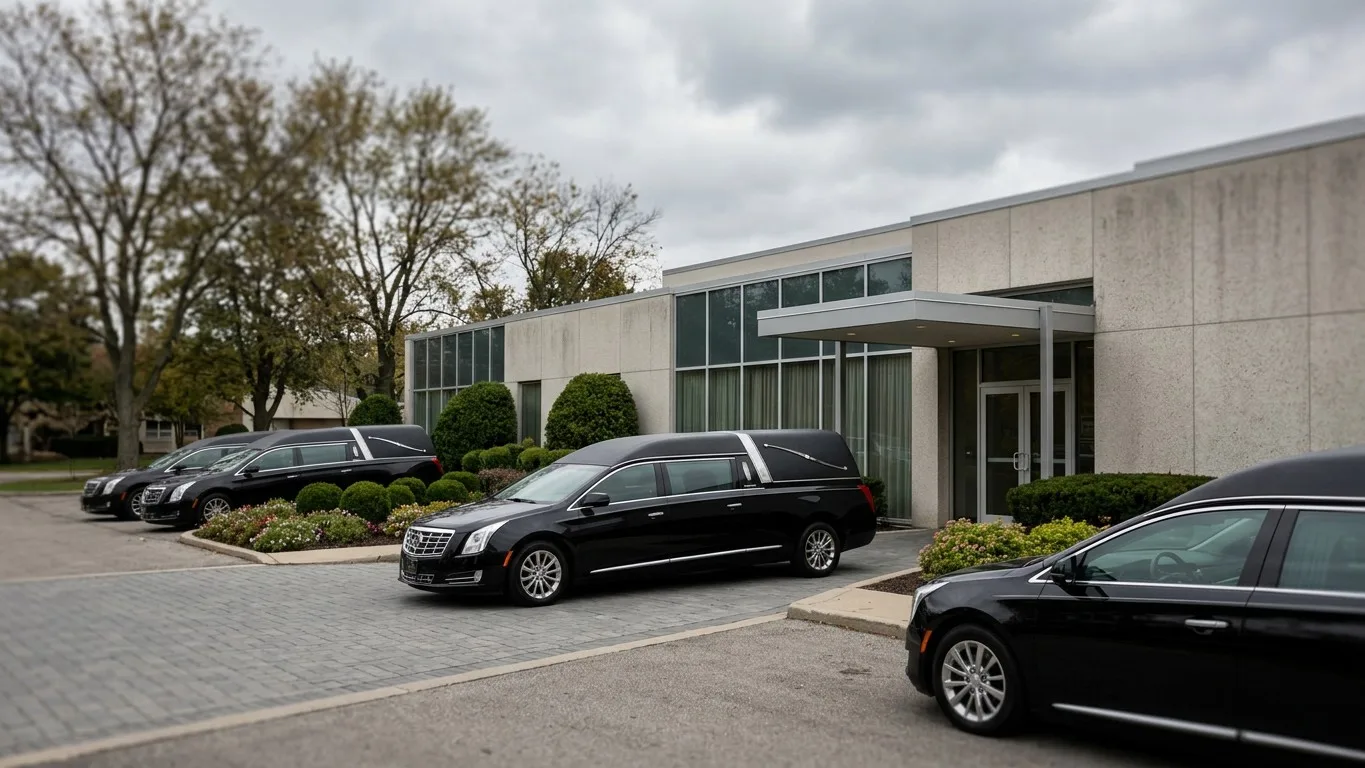
External coordination is a major component. The director is responsible for communicating with:
- Clergy or celebrants to confirm service details and timing.
- Cemetery staff to schedule the interment or inurnment.
- The crematory to schedule the cremation.
- Musicians, florists, and caterers to arrange their contributions.
- Pallbearers to confirm their role and responsibilities.
- Local law enforcement if a police escort is needed for the procession.
Simultaneously, the director must manage internal logistics. This includes scheduling staff for viewings, services, and transfers; preparing and assigning vehicles like hearses and flower cars; and ensuring the funeral home facilities are prepared to receive guests. Every element, from the placement of floral arrangements to the printing of memorial folders, must be checked and double-checked.
On the day of the service, the director is a calm, visible presence, guiding the family, directing guests, and troubleshooting any issues that arise behind the scenes. The final act is overseeing the disposition, whether it is the committal service at the graveside or the final transfer of cremated remains to the family. This final step completes the circle of care, fulfilling the promises made during the arrangement conference.
Aftercare and Closing the Case
The funeral home's service to a family does not end with the final disposition. Thoughtful aftercare is a vital part of the process, demonstrating continued compassion and support during the difficult weeks and months of grieving. This can take many forms, from providing grief support resources and literature to making a simple follow-up phone call to see how the family is doing. Some funeral homes host annual remembrance services or connect families with local support groups.
Administratively, closing the case involves a final review of the funeral director checklist. This is the time to ensure that all financial matters are settled, all documents are filed correctly, and all internal records are complete. This final audit confirms that every task was completed, every legal requirement was met, and the case file is ready for archiving. This includes verifying that death certificates have been delivered, veterans' benefits have been filed, and any pre-need policies have been processed.
A thorough closing process provides peace of mind for both the family and the funeral home. It ensures that if a family member calls months or even years later with a question about the service or needing a copy of a document, the information is readily accessible. It is the final mark of professionalism that defines a truly service-oriented funeral home.
A Checklist You Can Trust
A detailed, repeatable process is the bedrock of excellent funeral service. It frees directors and staff from worrying about administrative details, allowing them to focus their full attention on caring for grieving families. A comprehensive funeral director checklist, whether on paper or in software, ensures that every case receives the same high standard of care and that no detail is ever left to chance.
Kindred was built by funeral directors to manage this entire workflow, from the first call to the final invoice. It connects case management, documents, e-signatures, and accounting in one secure system, ensuring your team has the information it needs at every step. To see how Kindred can help your firm standardize its process and serve families better, book a demo today.