
Your funeral home's vehicles are more than just transportation; they are a visible extension of the care and professionalism you provide. From the first-call van to the hearse in the procession, each vehicle's condition speaks volumes about your firm's standards. A systematic approach to funeral vehicle maintenance is essential for ensuring safety, reliability, and the dignified presentation every family deserves.
A well-maintained fleet prevents last-minute service disruptions, protects your investment, and upholds your reputation. This guide provides a practical framework for managing the cleaning, maintenance, and scheduling of your funeral vehicles, ensuring they are always ready to serve.
The Foundation: A Detailed Funeral Vehicle Maintenance Log
The cornerstone of any effective maintenance program is documentation. A simple clipboard or a forgotten spreadsheet is not enough to manage the complexities of a professional fleet. You need a detailed, accessible log for each vehicle—hearse, limousine, first-call vehicle, flower car, and any staff cars.
Your maintenance log should be centralized and consistently updated. Whether you use a dedicated binder for each vehicle or a digital system, the information should be easy for your team to find and use. Each log should track:
- Vehicle Identification: Year, make, model, Vehicle Identification Number (VIN), and license plate number.
- Routine Maintenance: Log every oil change, tire rotation, fluid check, and filter replacement. Note the date, mileage, and the name of the service provider or the staff member who performed the work.
- Major Repairs: Document all significant repairs, including work on the engine, transmission, brakes, and electrical systems. Include detailed notes about the symptoms, the diagnosis, and the parts replaced.
- Tire History: Keep a record of tire purchases and installation dates. Regularly check tread depth and air pressure, especially before long-distance transfers or large processions. Note any seasonal tire changes.
- Fuel and Mileage: Tracking fuel consumption can help you spot potential mechanical issues early. A sudden drop in fuel efficiency may indicate a problem that requires a mechanic's attention.
- Cleaning and Detailing: Note when each vehicle was last washed, waxed, and detailed internally. This helps ensure no vehicle is overlooked and that standards are consistently met.
Maintaining these records diligently provides a complete history of each vehicle. This is invaluable for diagnosing recurring problems, planning for future expenses, and demonstrating a history of care, which can affect resale value.
Creating a Proactive Maintenance Schedule
Reactive maintenance—fixing things only when they break—is a recipe for stress and disruption. A funeral procession delayed by a mechanical failure is not just an inconvenience; it can be deeply distressing for the family. A proactive schedule based on both mileage and time is crucial for funeral vehicle maintenance.

Work with a trusted mechanic to establish a service schedule tailored to your specific vehicles. Livery vehicles often experience different wear patterns than standard passenger cars, with more idle time and slow-speed driving.
Key Scheduling Intervals:
- Weekly Checks: A designated staff member should perform a quick visual inspection of every vehicle at the start of each week. This includes checking tire pressure, all fluid levels (oil, coolant, washer fluid), and testing all lights (headlights, brake lights, turn signals, and interior lights).
- Monthly Inspections: Once a month, conduct a more thorough check. Look for tire wear, inspect wiper blades, test the battery, and check the emergency equipment in each vehicle, such as the spare tire, jack, and first-aid kit.
- Quarterly and Bi-Annual Service: Schedule professional servicing based on manufacturer recommendations or your mechanic's advice. This typically includes oil changes, tire rotations, and comprehensive inspections. Depending on your climate, this is also the time to prepare for seasonal changes, like switching to winter tires or servicing the air conditioning system.
- Annual Deep Dive: Once a year, each vehicle should undergo a complete inspection. This includes the brake system, suspension, exhaust system, and a detailed check of the chassis for any signs of rust or wear, which is especially important in regions that use road salt in the winter.
Assigning responsibility for these checks is critical. Whether it's a specific director, an office manager, or a dedicated fleet manager, one person should own the schedule and ensure it is followed without fail.
The Art of Impeccable Cleanliness: Interior and Exterior Care
A funeral vehicle must be more than mechanically sound; it must be immaculate. The cleanliness of your hearse and limousines directly reflects on your firm's attention to detail and respect for the family. A rigorous cleaning protocol is non-negotiable.
Exterior Cleaning Protocol:
Your vehicles should be washed after every single use, especially after a funeral service. Even a short drive can accumulate a layer of dust that dulls the finish. Keep a ready supply of high-quality car wash soap, microfiber towels, and wheel cleaner.
Waxing is essential for protecting the paint and maintaining a deep, professional shine. A full-size hearse or limousine is a significant investment, and its paint is its first line of defense against the elements. A quality wax should be applied at least twice a year, or more frequently if vehicles are exposed to harsh weather. Pay special attention to chrome trim, which should be polished regularly to prevent pitting and rust.
Interior Detailing Standards:
The interior is where families spend their time, and it must be pristine. After each service, the interior of limousines and family cars should be thoroughly cleaned.
- Vacuuming: Floors, seats, and mats must be vacuumed to remove any dirt or debris.
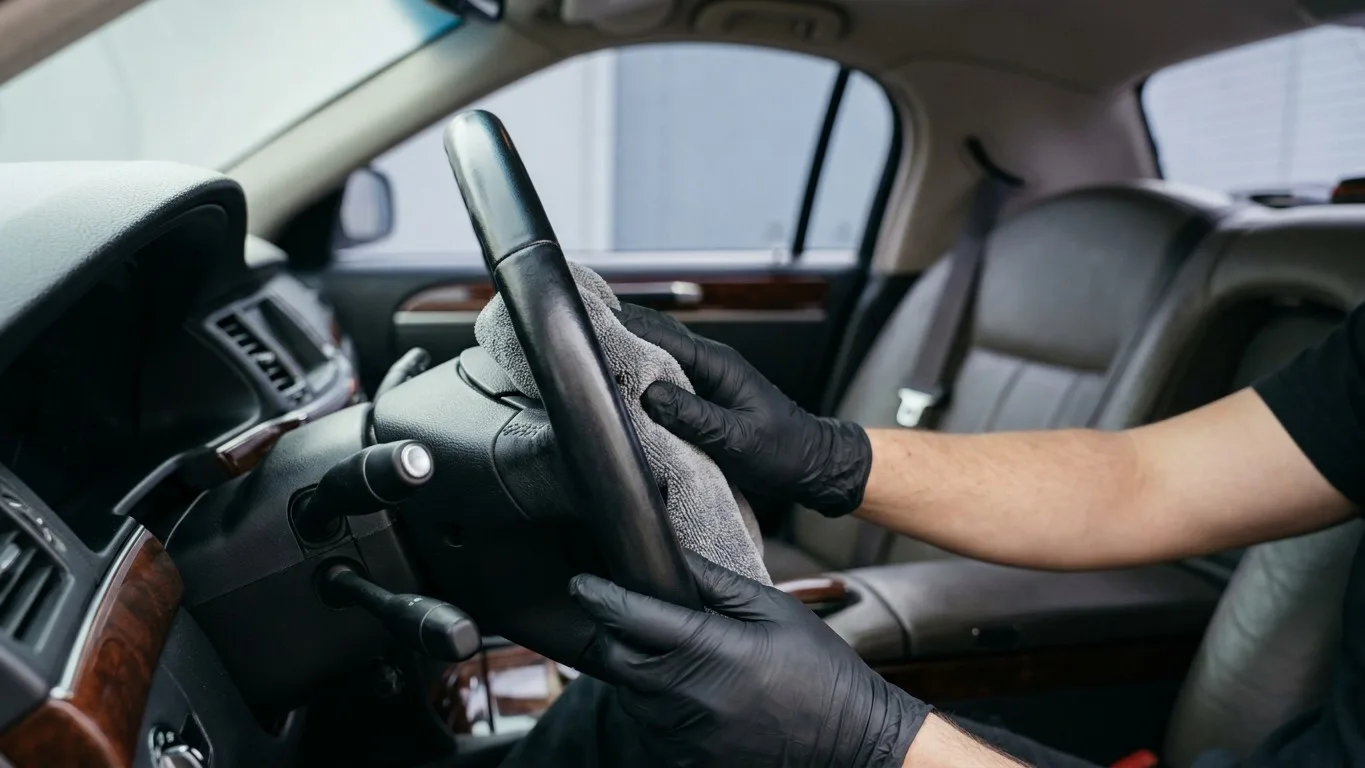
- Surfaces: Wipe down all hard surfaces, including the dashboard, door panels, and trim, with a suitable interior cleaner. Avoid using overly fragrant products, as strong scents can be off-putting to grieving families. A neutral, clean scent is always best.
- Glass: All windows and interior mirrors must be spotless and free of streaks.
- Upholstery: Check for any spots or stains on the seats and address them immediately with an appropriate upholstery cleaner. For leather interiors, use a quality conditioner periodically to keep the material soft and prevent cracking.
Don't forget the less obvious areas. The casket compartment of the hearse must be kept perfectly clean. Check and clean door jambs, as these are visible every time a door is opened. A pre-service checklist for each vehicle can ensure that no detail, from tissues in the limousine to a lint-free bier in the hearse, is missed.
Staff Training and Vehicle Use Policies
Your staff are the stewards of your fleet. Proper training on the use and care of specialized funeral vehicles is essential for both safety and longevity. Every employee who might drive a company vehicle should be trained on the specific operational nuances of each one.
Driving a hearse or a stretched limousine is very different from driving a standard car. The longer wheelbase, larger turning radius, and different weight distribution require specific skills. Hold practical training sessions in a safe, open area like an empty parking lot. Let staff practice three-point turns, parking, and navigating tight corners. This builds confidence and reduces the risk of costly accidents.
Establish clear written policies for vehicle use. These policies should cover:
- Authorized Drivers: Specify who is permitted to drive company vehicles and for what purposes. Confirm that their driver's license is current and their driving record is clean. Always check local and state regulations regarding special licensing requirements for livery vehicles.
- Personal Use: Clearly state your policy on personal use of company vehicles. In most cases, it should be prohibited to avoid liability issues and unnecessary wear.
- Pre-Service Inspection: Institute a mandatory pre-service checklist for drivers. Before leaving for a service or a removal, the driver should walk around the vehicle, check the tires, and ensure it is clean and properly equipped. This final check can prevent a problem from becoming an emergency.
- Reporting Issues: Create a simple, no-blame process for reporting any mechanical problems, warning lights, or even minor cosmetic damage. Staff should feel comfortable reporting issues immediately so they can be addressed before they worsen.
A well-trained team that respects the vehicles is one of the most effective components of your funeral vehicle maintenance program.
Integrating Vehicle Management with Your Operations
Managing a funeral fleet is not a standalone task; it's an integral part of your firm's day-to-day operations. Scheduling which vehicle is needed for which service, coordinating drivers, and tracking availability can become complicated, especially for multi-location firms. This is where centralized management tools can make a significant difference.
Using your funeral home management software to track vehicle assignments can prevent double-bookings and ensure the right vehicle is ready for the right service. For example, within Kindred's case management system, you can add checklists and tasks related to a specific service, including